Durga Puja
Durga Puja is one of the most significant and widely celebrated festivals in India, especially in the state of West Bengal. It is dedicated to Goddess Durga, who symbolizes the victory of good over evil. This vibrant festival usually takes place in the month of September or October and lasts for ten days, with the last five days being the most important.


Historical and Mythological Significance
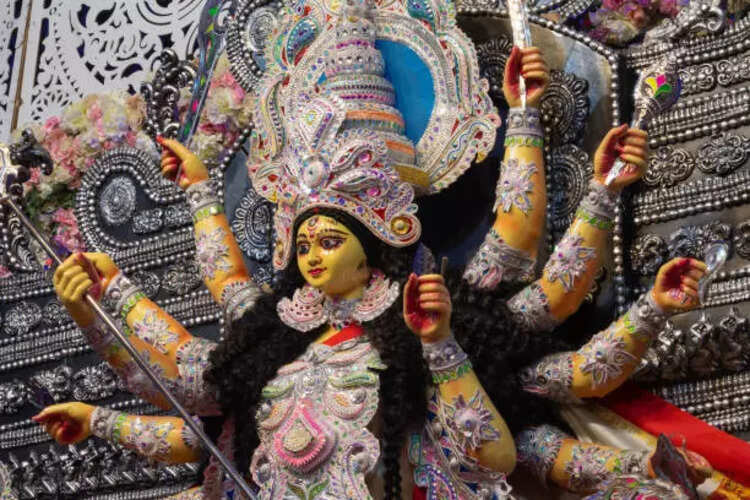
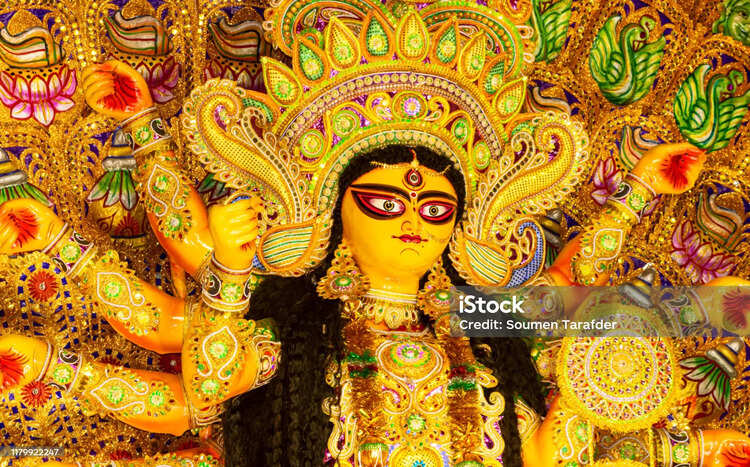
Durga Puja has its origins in ancient Hindu mythology. According to legend, Mahishasura, a demon king with the power to change his form, gained a boon that no man or god could kill him. Drunk with power, he began to terrorize the heavens and Earth. To save the world, the gods combined their energies to create Goddess Durga—a powerful female warrior with ten arms, each holding a weapon. Riding a lion, Durga fought Mahishasura for nine days and nights, ultimately killing him on the tenth day, symbolizing the triumph of good over evil.
This mythological tale is symbolic of the eternal battle between righteousness and wrongdoing. Durga Puja, therefore, is not just a religious festival but a celebration of courage, justice, and feminine power.

Religious Aspects and Rituals
Durga Puja is traditionally observed over a period of ten days, starting with Mahalaya, which marks the beginning of the festival. On this day, devotees invoke the goddess to descend to Earth. The main worship begins on the sixth day, known as Shashthi, when the idol of Goddess Durga is unveiled. The following days—Saptami, Ashtami, and Navami—are marked by elaborate rituals, prayers, and offerings.
The most important day of the puja is Maha Ashtami, which includes the Sandhi Puja, performed at the juncture of Ashtami and Navami. It is believed to be the most powerful time of the entire festival. Devotees perform the Kumari Puja, where young girls are worshipped as manifestations of the divine feminine.
The tenth day, known as Vijayadashami or Dussehra, marks the end of the festival. On this day, idols of the goddess are carried in grand processions and immersed in rivers or other water bodies, symbolizing her return to Mount Kailash, her heavenly abode. This immersion, known as Visarjan, is accompanied by chanting, music, dance, and the exchange of greetings.

Artistic and Cultural Expression
Durga Puja is as much about art and culture as it is about religion. One
of the most remarkable aspects of the festival is the creation of pandals—temporary structures that house the idols of Goddess Durga. These pandals are not just places of worship but also incredible artistic installations that showcase creativity, innovation, and craftsmanship.
Every year, artists and organizers come up with unique themes for pandals—ranging from traditional temple architecture to modern interpretations of social issues. Some pandals are modeled after famous monuments, while others depict scenes from mythology, folklore, or even current events. The idols themselves are masterfully crafted from clay, painted with delicate features, and adorned with colorful garments and jewelry.
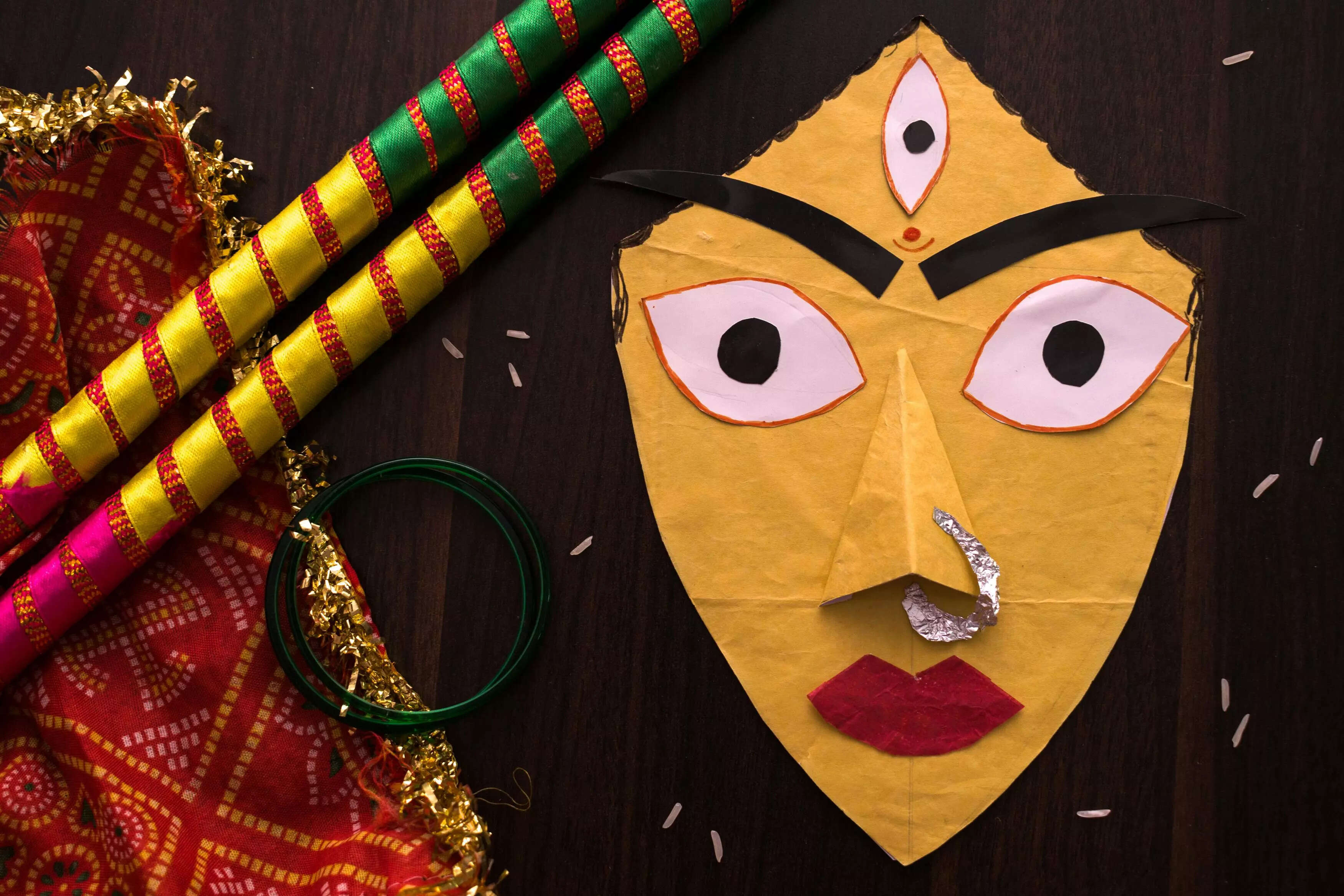
During the festival, cultural programs are held across cities and towns. These include traditional dances like Dhunuchi Naach, drama performances based on epics, classical music concerts, and poetry recitals. Many communities organize competitions, exhibitions, and food festivals, making Durga Puja a holistic cultural experience.
Durga Puja in West Bengal and Beyond
While Durga Puja is celebrated across India, its grandest celebrations are seen in West Bengal, particularly in Kolkata, where it is the most important annual event. The entire city comes alive with lights, music, and joy. The streets are filled with thousands of people visiting different pandals, often referred to as "pandal hopping." Public transport runs 24/7, and the festive spirit is truly infectious.
In other states like Bihar, Assam, Odisha, Tripura, and Jharkhand, Durga Puja is celebrated with equal enthusiasm. Outside India, significant celebrations take place in countries like Bangladesh, Nepal, the United Kingdom, the United States, and Canada, where the Indian and Bengali diaspora maintain their cultural heritage through community-organized events.